Do Solar Panels Need Cleaning in the UK? Yes. Here's Why It Matters
You've invested in solar panels for your home in Saffron Walden or one of the surrounding Essex villages. You're saving on energy bills and doing your bit for the environment. But here's something most installers don't emphasize: solar panels need cleaning. And regular cleaning isn't optional if you'd like to protect your investment and maximize your savings.
The Short Answer: Yes, But Not Constantly
Most UK homeowners need to clean their solar panels once or twice a year. That's it. Not weekly, not monthly. Once in spring and possibly once in autumn. But that "possibly" is important, because skipping these cleans costs you real money in lost efficiency.
How Much Efficiency Are We Talking About?
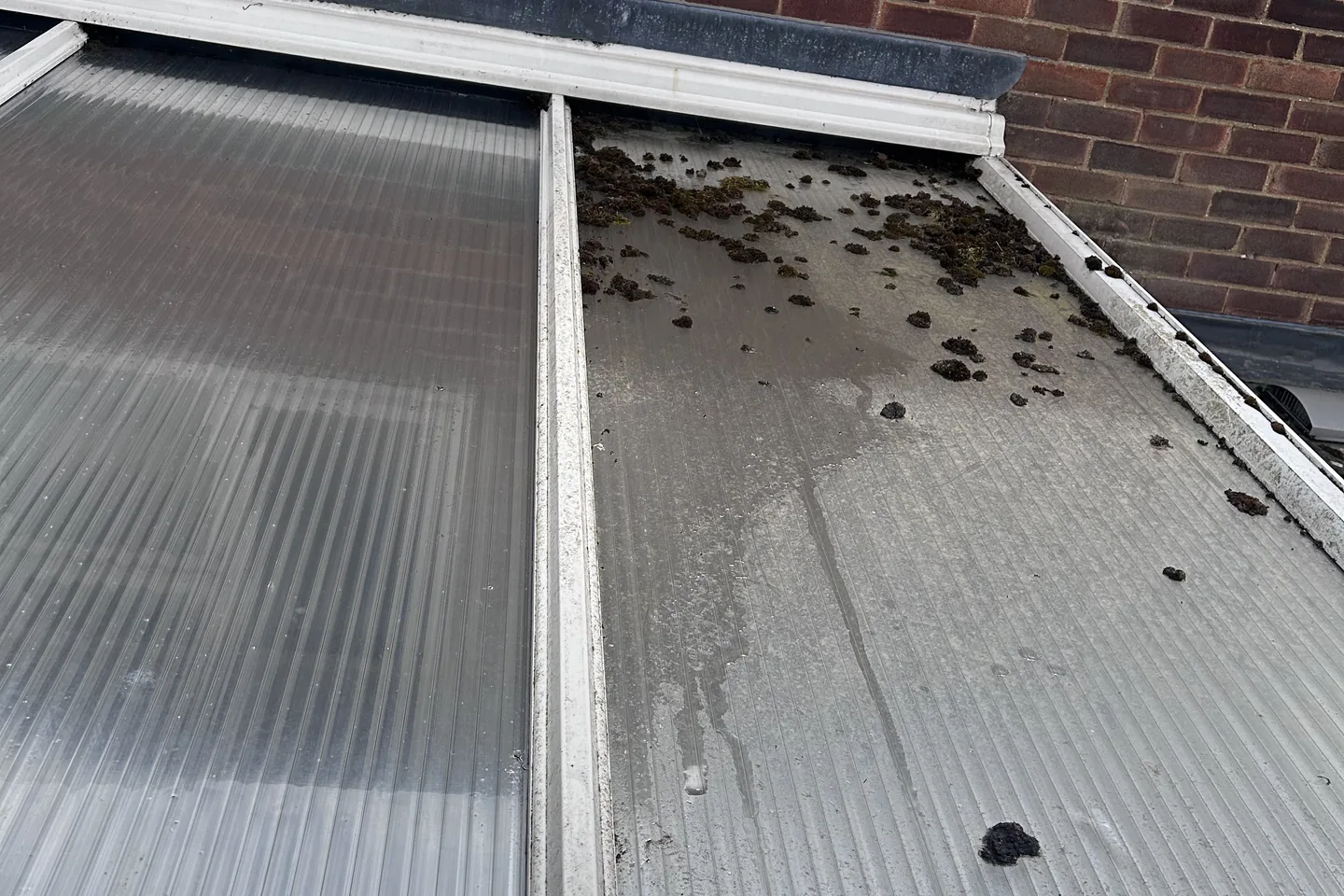
Studies consistently show that dirty solar panels can lose 15-25% of their output. I'll put that in perspective: if your system produces 5kW on a clean day, dirty panels might only produce 3.75-4.25kW. Over a year, that's hundreds of pounds in lost savings.
What makes this worse in Essex is that we have multiple sources of panel fouling:
- Bird droppings. Particularly from seagulls inland and pigeons in villages. Bird mess is acidic and sticks stubbornly to glass.
- Tree pollen and leaf debris. If your panels are near trees, and most Essex properties are, pollen settles on them in spring and summer.
- Industrial dust and soot. Even though Saffron Walden is rural, particles from heating, traffic, and agriculture settle on panels.
- Moss and algae. In shaded areas (and Essex has plenty), panels can develop the same growth you'd see on a roof.
- Road salt and residue. If you're on a main road in Stansted Mountfitchet or near Elsenham, salt spray and dust settle on panels.
Why Rainfall Alone Isn't Enough
"Won't rain just wash them clean?" This is the most common assumption, and it's partially true. Light rain does rinse loose dust. But it doesn't remove sticky residue like bird droppings or pollen. And in Essex's typical weather, frequent light showers but not sustained heavy rain, panels can stay fouled for weeks.
Worse, rainwater itself can leave mineral deposits on glass, creating a hazy film that reduces efficiency even after the visible dirt is gone. This happens particularly in hard-water areas.
The Right Way to Clean Solar Panels
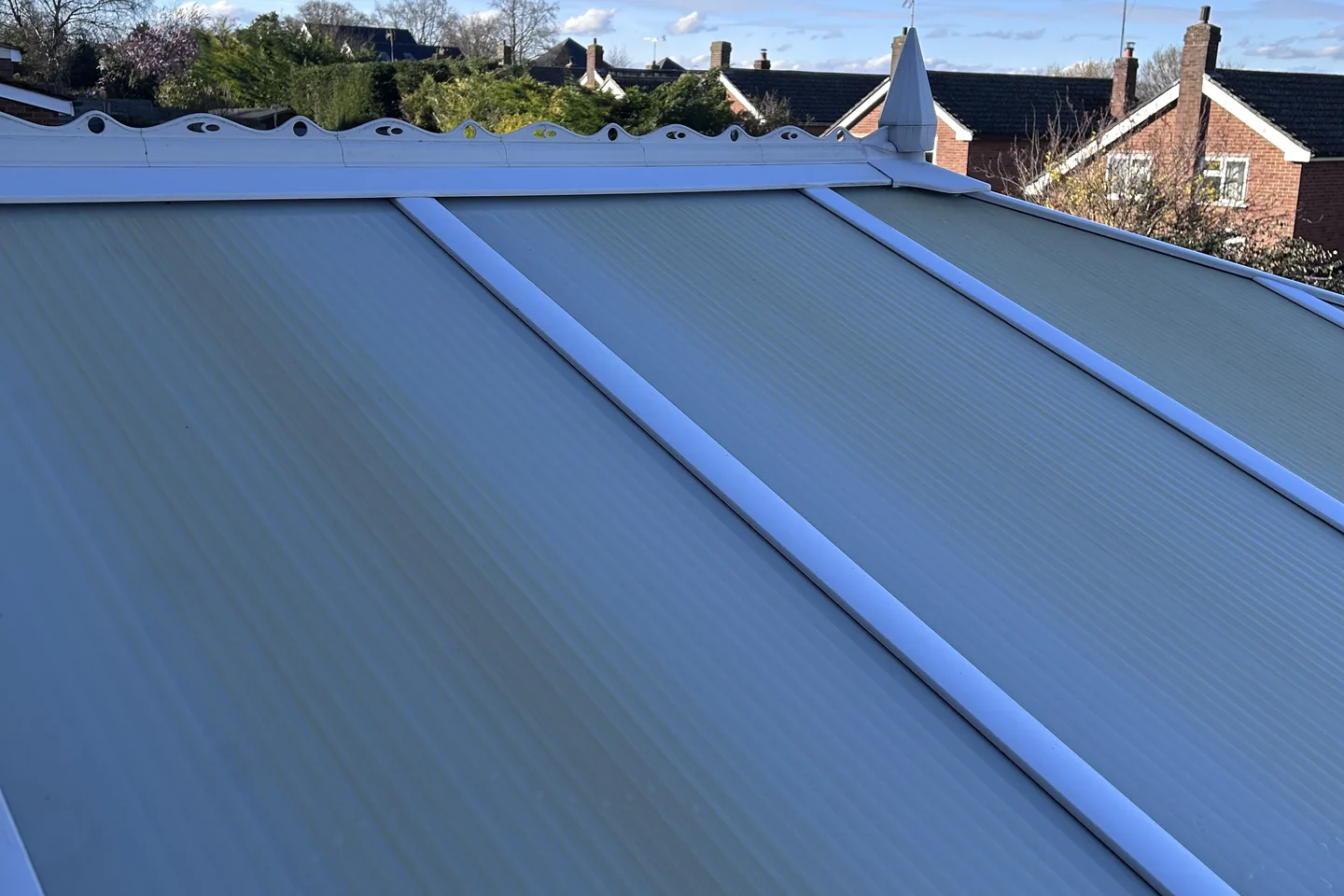
This is important: solar panels must never be pressure-washed. The shock of high-pressure water can damage seals and potentially shatter glass. They also need pure water, not tap water with detergents that leave mineral deposits.
The correct method is pure-water cleaning. Deionized water with a soft brush or soft-bristle squeegee. This removes all residue without damaging the panels or their seals. The water rinses completely clean, leaving no streaks or deposits. It's the same method professional solar cleaning uses, and it's safe.
Many homeowners do this themselves with a bucket, soft brush, and distilled water. If your panels are easily accessible from a stable ladder, it's straightforward. If they're high, angled awkwardly, or you'd rather not climb, professional solar cleaning is inexpensive (typically £4 per panel or a flat rate for your system).
When Should You Clean Them?
Spring (March-April) is the most important time. Winter dirt, soot, dust, salt spray, has accumulated, and spring growth (pollen, algae) is starting. A spring clean sets you up for maximum output through summer, your peak generation season.
Autumn (September-October) is the second good time, clearing summer pollen and dust before winter. If you've had particularly bad weather or bird activity, you might clean mid-summer too.
If your panels are in a shaded area where algae grows, or if you're downwind of heavy agricultural activity (common in parts of Essex), more frequent cleaning might pay for itself in extra generation. But for most homeowners, twice-yearly is the sweet spot.
The Bottom Line
Solar panels are a long-term investment. You're expecting them to perform efficiently for 25+ years. Regular cleaning, just once or twice a year. Ensures they do. The cost is minimal (£50-200 per clean, or free if you do it yourself), and the return in extra generation usually pays for itself within months. In Essex's climate, with trees, bird activity, and seasonal pollen, cleaning twice yearly gives you the best return on your solar investment.
Frequently Asked Questions
Can I clean my solar panels myself?
Yes, if they're safely accessible. Use pure water (distilled or deionized), a soft brush or squeegee, and no detergents. Avoid pressure washers. If your panels are high, steeply angled, or you're not comfortable on a ladder, professional cleaning is worth it.
How much does professional solar panel cleaning cost?
Typically £3-5 per panel, or a flat rate of £50-200 for a residential system depending on size and access. For a typical 4-6kW system, expect £150-250. The return in extra generation usually pays for it quickly.
What's the best way to clean solar panels?
Use pure water (deionized or distilled) with a soft brush or squeegee. Rinse thoroughly. Never use detergent, never pressure wash, and never use abrasive materials. The goal is to remove residue without damaging seals or coating.
How often do solar panels really need cleaning?
For most UK homeowners, once or twice yearly is sufficient. Spring is essential (to clear winter grime and prepare for peak summer generation). Autumn is helpful too. If your panels are in shade or you have particular problems (bird activity, pollen), quarterly cleaning might be worthwhile.
Will dirty solar panels void my warranty?
Most warranties don't require cleaning, and dirt won't void coverage. your warranty covers manufacturer defects, not performance issues from lack of maintenance. Neglecting panels affects your ROI, not your warranty, but it still costs you money in lost generation. The money side is in what solar panel cleaning costs, and the service itself is solar panel cleaning.
Ready to Get Started?
Based in Saffron Walden, covering Essex villages. Free quotes within 24 hours, no hard sell.
Professional solar panel cleaning from £4 per panel
I started window cleaning back in 2022 and launched Ascent Exterior Cleaning in 2024 to offer a wider range of exterior services. Every job is still done by me personally. No subcontractors, no rotating crews. The same pair of hands every time.