How Often Should Gutters Be Cleaned? A Guide for Essex Homeowners
If you're a homeowner in Saffron Walden, Newport, or any of the surrounding Essex villages, you've probably noticed something: when autumn arrives, your gutters fill up fast. And spring isn't much better. The simple answer to "how often should gutters be cleaned" is twice a year. Once in late autumn and once in spring. But I'll explain why this matters, especially here in Essex.
Why Twice a Year?
Essex is surrounded by mature, deciduous woodland. That's beautiful for the countryside, but it means your roof is essentially a collection point for falling leaves. In autumn, particularly September through November, leaves don't just fall once. They keep falling in waves. Gutters designed to handle normal rainwater can't manage the sheer volume of debris.
But it's not just leaves. Moss, twigs, seeds, and silt accumulate year-round. In spring, you've got a winter's worth of buildup, plus fresh growth starting. Moss and algae thrive in the damp, shaded gutters. Especially on north-facing properties in villages like Hadstock and Great Chesterford.
What Actually Happens in a Neglected Gutter
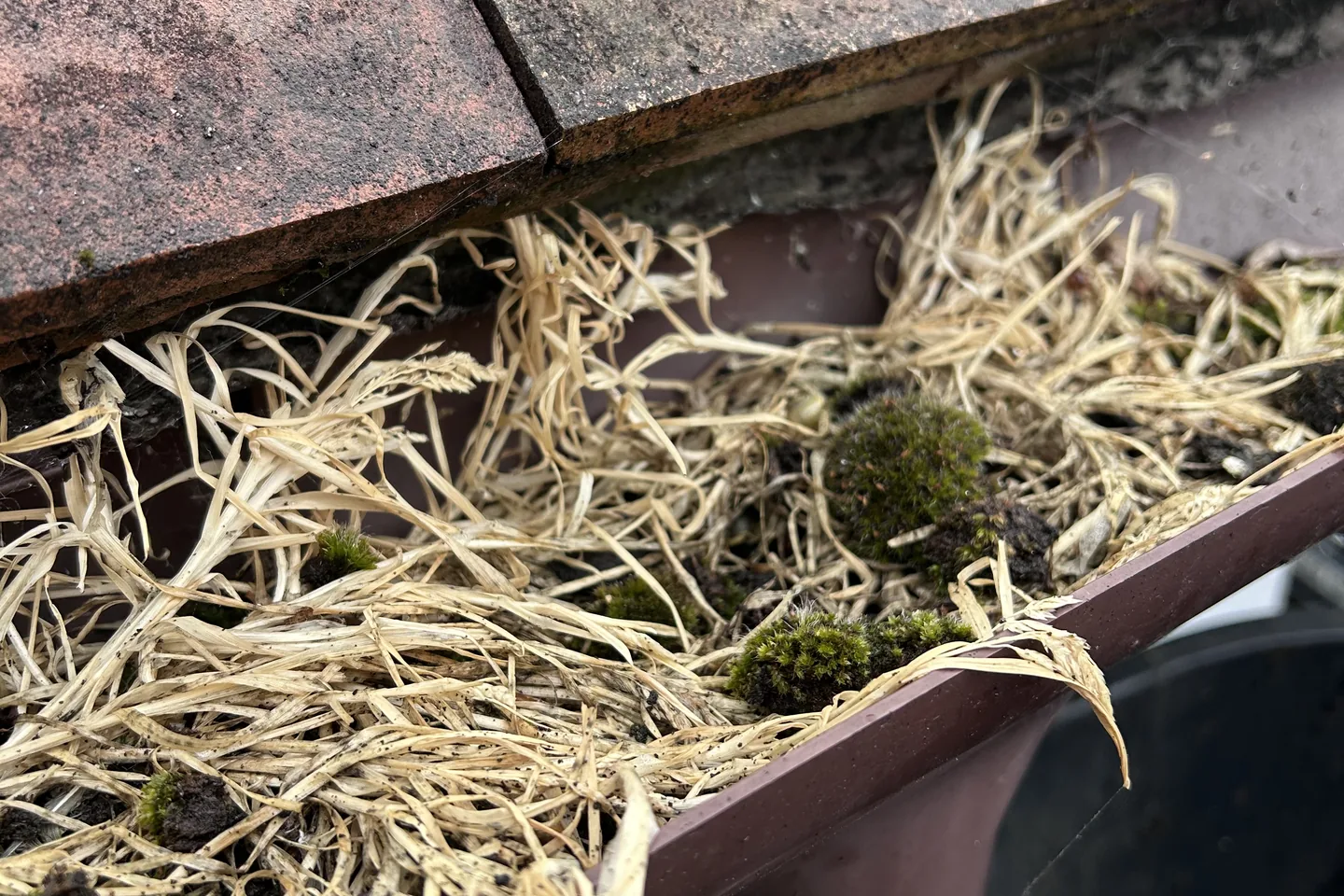
When gutters aren't cleaned regularly, a few things happen:
- Water backs up and sits. Blocked gutters can't drain properly. Water pools, which leads to damp. It finds its way under tiles, through flashings, and into your roof space.
- Fascias and soffits rot. The wood behind your gutters is constantly exposed to water. In Stansted Mountfitchet or Elsenham, where many older properties have wooden fascias, this becomes expensive very quickly. Rotten wood needs replacing. That's £500+, not a small job.
- Gutters sag and separate. The weight of debris and stagnant water pulls gutters away from your property. Once they start to pull, water starts to leak down your walls.
- You get pest problems. Blocked, damp gutters are perfect homes for insects and even nesting birds. Not pleasant, and harder to fix than a simple clean.
Spring Cleaning vs. Autumn Cleaning
These two cleans serve different purposes. Autumn cleaning is the heavyweight job. You're removing the season's leaf fall and preparing gutters for winter rainfall. Spring cleaning clears the winter's accumulated debris and any moss growth that's taken hold in the damp months. In villages like Clavering or Langley, where properties are often set back from roads with mature garden trees, spring cleaning can be just as important as autumn.
Do You Really Need Both?
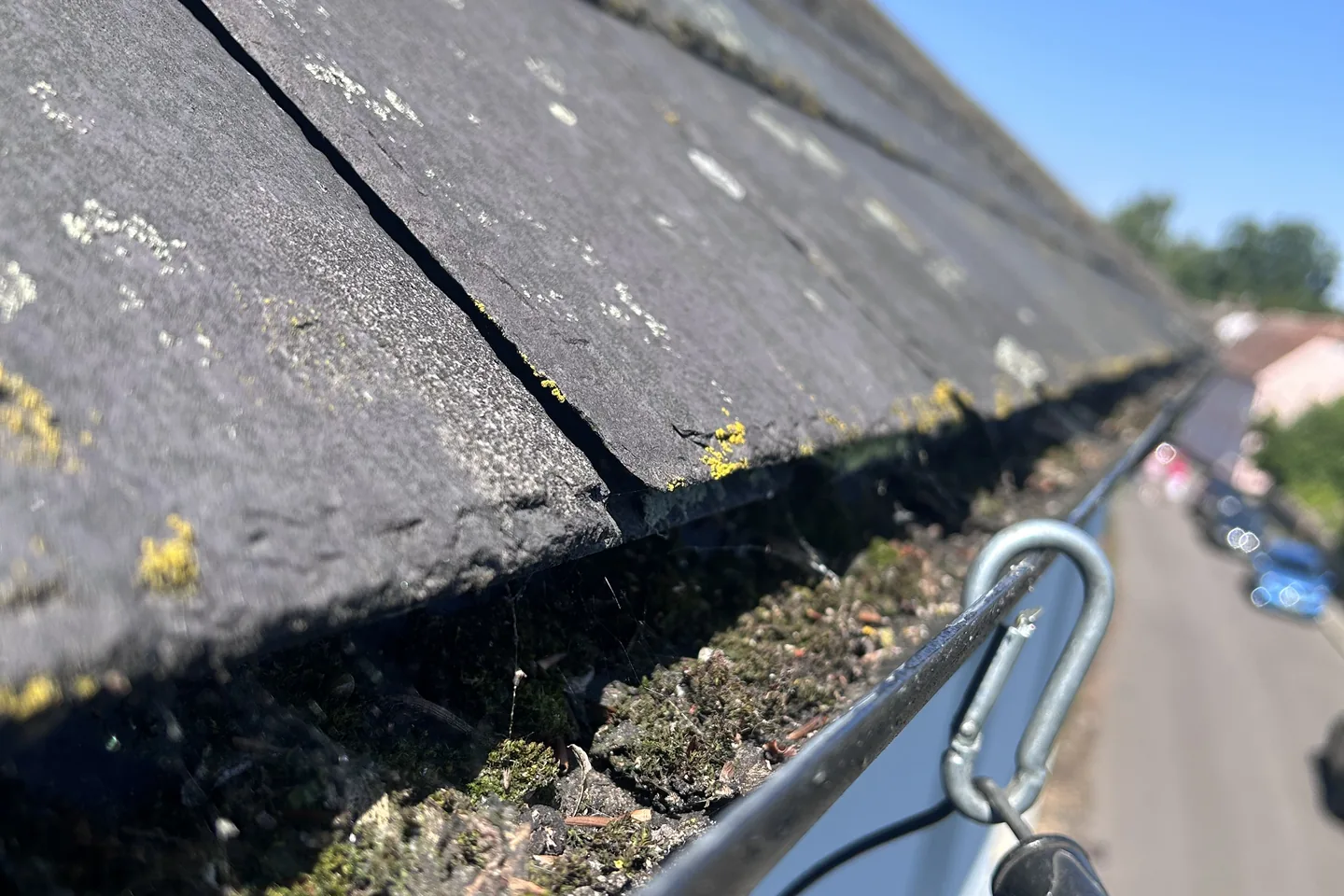
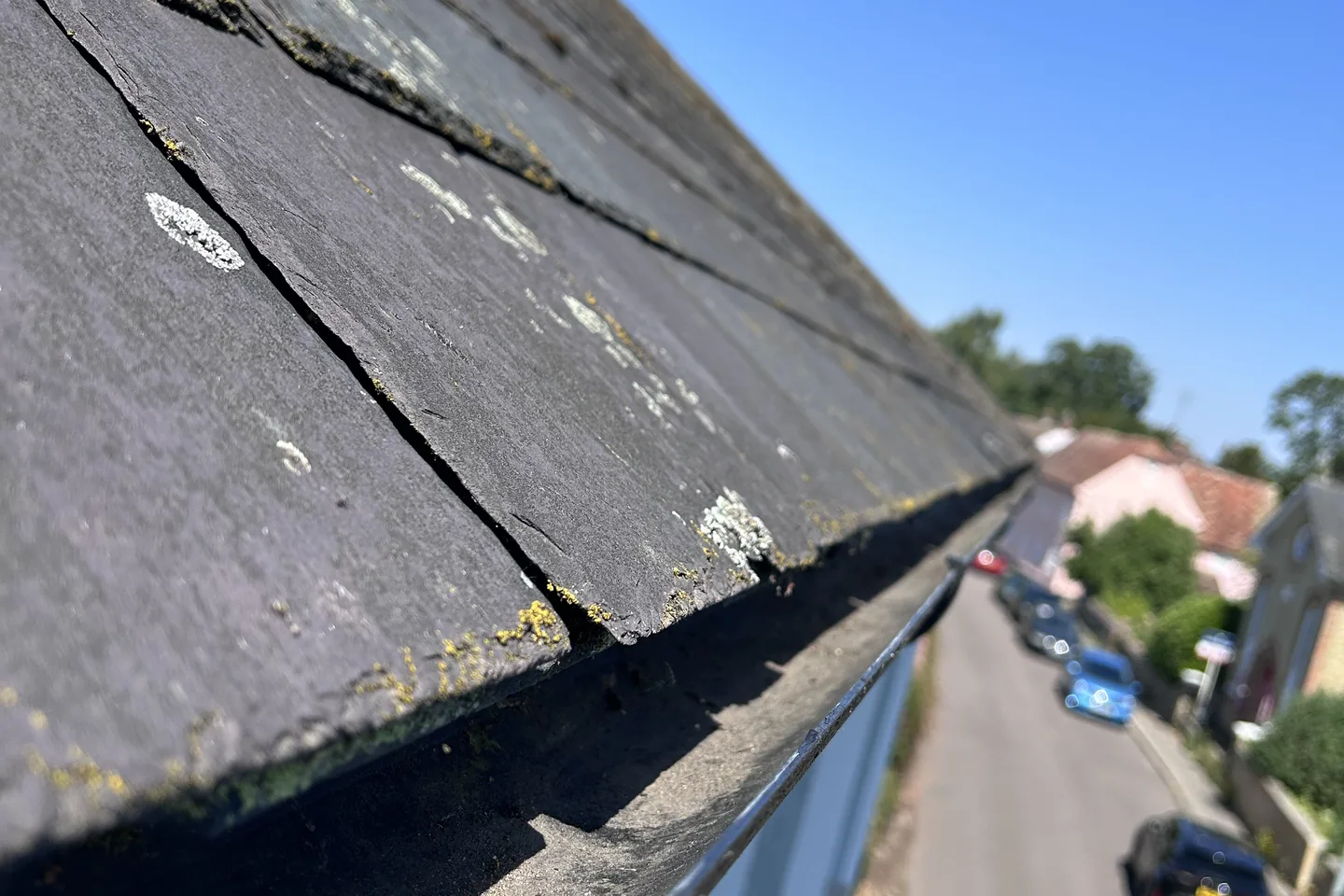
Honestly? It depends on your property. If you're in a village with minimal trees nearby (a rarity in Essex), you might get away with once-yearly cleaning. But most homeowners here see a real difference with twice-yearly attention. The cost is modest, and it's far cheaper than dealing with water damage, rot repairs, or pest infestations.
What to Watch For Between Cleans
You don't need to be obsessive about gutters, but it's worth knowing the warning signs:
- Water pouring over the edge during heavy rain (sign of blockage)
- Visible moss or algae growth (sign of moisture and debris buildup)
- Sagging or visibly separated gutters
- Damp patches on your walls, especially under gutters
- Gutters that look stained or discolored
If you spot any of these, a clean is overdue.
The Bottom Line
Two cleans a year keeps Essex gutters in good working order. Think of it like brushing your teeth. Regular maintenance costs almost nothing compared to dealing with decay. For homeowners across Saffron Walden, Newport, Elsenham, Stansted, Clavering, Hadstock, Great Chesterford, and Langley, this twice-yearly rhythm fits naturally with the seasons and keeps your home protected from water damage.
If you haven't had your gutters cleaned recently, autumn is coming, and spring won't be far behind. Get ahead of it.
Frequently Asked Questions
Can I clean my gutters myself?
You can, if you're comfortable on a ladder and have the right equipment. gutter cleaning involves working at height, often with slippery surfaces and sharp debris. Many homeowners prefer to leave it to professionals. It's safer and more thorough. A professional clean typically costs £70-150 and takes an hour or two.
What's the difference between moss and algae in gutters?
Moss is a plant that grows in moist, shaded conditions and can clog gutters completely. Algae is a single-celled organism that creates slippery, slimy surfaces. Both thrive in gutters and both need removing. Lichen (a combination of algae and fungus) also appears. All three are signs of moisture and debris buildup.
Should I get gutter guards?
Gutter guards reduce the amount of debris that enters gutters, but they don't eliminate cleaning entirely. Leaves still accumulate on top, and moss can grow on the guards themselves. They're helpful if you have a lot of trees, but they're not a replacement for regular cleaning.
How much does professional gutter cleaning cost?
In Essex, professional gutter cleaning typically costs £70-150 depending on the size of your property, how badly blocked the gutters are, and whether you need fascia/soffit cleaning too. A single-story cottage will be cheaper than a large two-story home.
What happens if I ignore blocked gutters for a year?
Water damage accumulates quickly. You'll likely see damp inside your home (attic, walls, or ceilings), smell musty odors, and notice staining on exterior walls. Fascias and soffits rot, gutters sag, and pests move in. Repair costs can easily exceed £1,000. Regular cleaning costs a fraction of this. In town it is the same round: gutter cleaning in Saffron Walden. The parts beside them are covered in what a fascia and soffit clean involves.
Ready to Get Started?
Based in Saffron Walden, covering Essex villages. Free quotes within 24 hours, no hard sell.
Book a gutter clean today, from £70
I started window cleaning back in 2022 and launched Ascent Exterior Cleaning in 2024 to offer a wider range of exterior services. Every job is still done by me personally. No subcontractors, no rotating crews. The same pair of hands every time.